

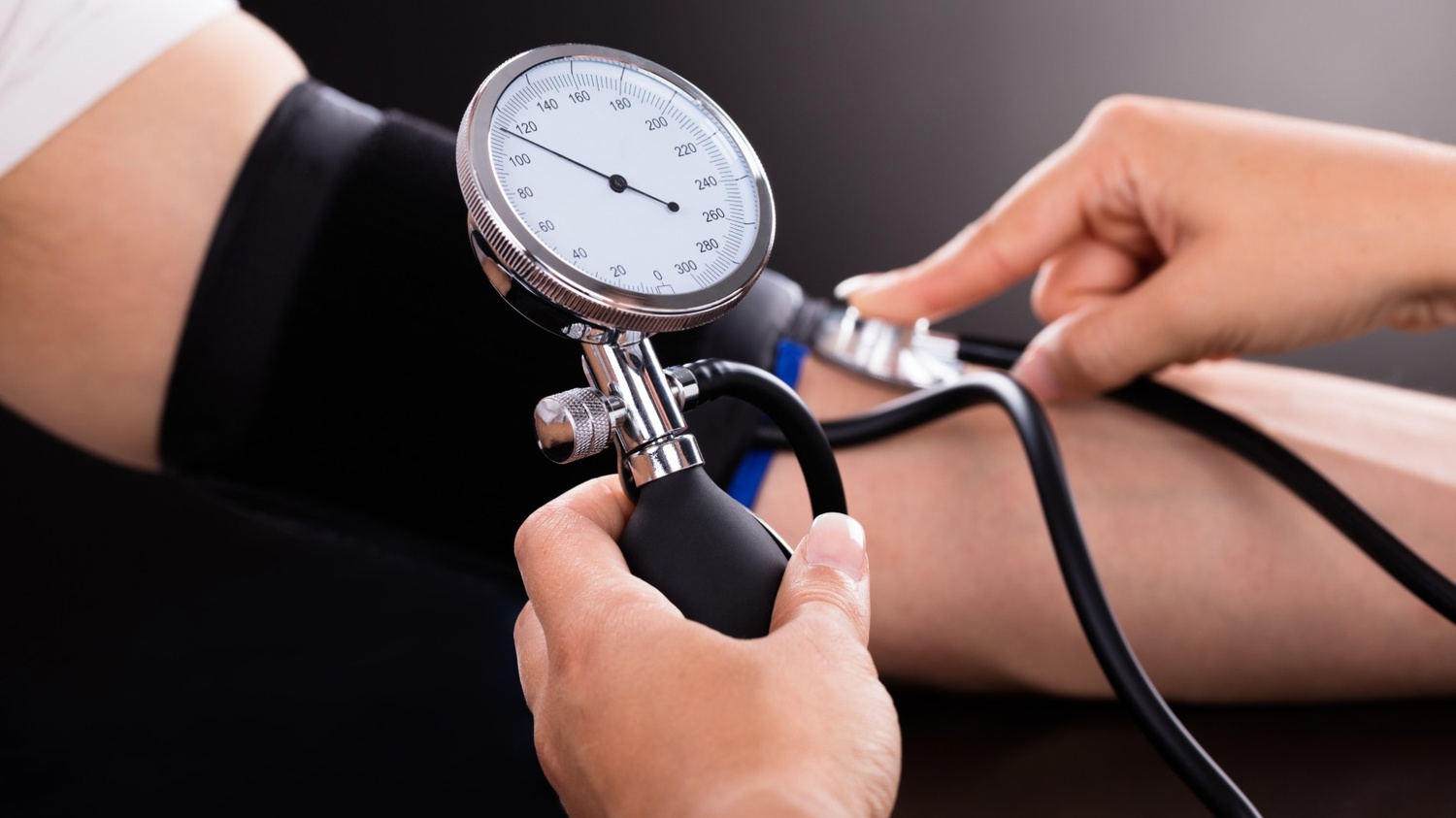
What is Blood Pressure (Hypertension)?
Blood Pressure is the force of blood pushing against the walls of arteries. When this pressure stays consistently high, it is called Hypertension.
Normal BP is around 120/80 mmHg.
-
Systolic (120) – pressure when the heart beats
-
Diastolic (80) – pressure when the heart rests
High Blood Pressure is often called a “silent killer” because it may not show symptoms at first, but it increases the risk of heart disease, stroke, kidney damage, and other complications.
In Ayurveda, high BP is related to imbalance in Vata and Pitta doshas, along with stress, poor diet, and weak digestion (Mandagni). It is often linked to Rakta Vaha Srotas Dushti (imbalance in blood channels).
Who is at Risk of High Blood Pressure?
-
Family history of hypertension
-
Overweight or obesity
-
Excessive salt intake
-
Sedentary lifestyle, lack of exercise
-
Stress, anxiety, or irregular sleep
-
Excess alcohol, smoking, or caffeine
-
Chronic conditions like diabetes, kidney disease, thyroid imbalance
Symptoms of High Blood Pressure
(Many people have no symptoms, but some may feel:)
-
Headache (especially back of head)
-
Dizziness or blurred vision
-
Shortness of breath
-
Chest pain or palpitations
-
Irritability, restlessness
-
Nosebleeds (in severe cases)
Possible Risks (If uncontrolled)
-
Heart attack, stroke, or heart failure
-
Kidney damage (chronic kidney disease)
-
Eye damage (hypertensive retinopathy)
-
Memory loss, dementia, or brain damage
-
Aneurysm (artery damage)
Ayurvedic Approach to High Blood Pressure
Ayurveda focuses on calming the mind, balancing doshas, and strengthening the heart and blood vessels.
1. Detox & Panchakarma
-
Virechana (purgation – reduces Pitta & toxins)
-
Basti (enema therapy – balances Vata, reduces stress)
-
Shirodhara (warm oil therapy on forehead – calms nervous system)
-
Abhyanga (oil massage – relaxes body & improves circulation)
2. BP-Friendly Diet (Pathya Ahar)
-
Light, freshly cooked, low-salt diet
-
Fruits: pomegranate, banana, orange, watermelon
-
Vegetables: bottle gourd, cucumber, spinach, beetroot
-
Whole grains: barley, oats, brown rice
-
Garlic & onion (natural BP regulators)
-
Herbal teas: Arjuna bark tea, hibiscus tea, coriander water
❌ Avoid: salty, fried, processed foods, red meat, excess coffee & alcohol
3. Daily Rituals (Dinacharya)
-
Early morning walk / yoga
-
Warm water with garlic or lemon
-
Meditation & pranayama for stress control
-
Oil massage with sesame or coconut oil
-
Proper sleep (avoid late nights)
4. Herbs for High BP
-
Arjuna (Terminalia arjuna) – strengthens heart muscles
-
Sarpagandha (Rauwolfia serpentina) – traditionally used for lowering BP
-
Ashwagandha – reduces stress, balances Vata
-
Jatamansi & Brahmi – calm mind, reduce anxiety
-
Triphala – improves digestion & balances doshas
-
Garlic (Lahsun) – lowers cholesterol & BP
5. Yoga & Pranayama
-
Asanas: Shavasana, Vajrasana, Paschimottanasana, Sukhasana
-
Pranayama: Anulom-Vilom, Bhramari (humming breath), Sheetali (cooling breath)
-
Meditation: 10–15 min daily for stress reduction